

When Should Investors Use Construction-to-Perm Financing?
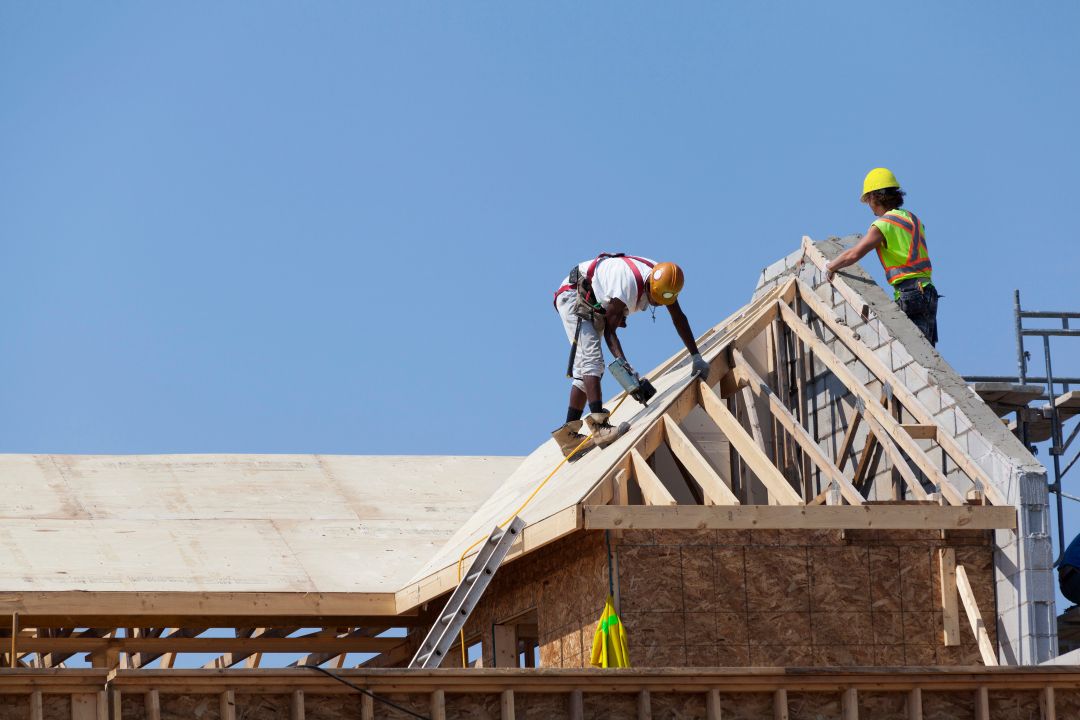
Many investors begin a project with one goal in mind: creating a long-term rental asset. Some properties are built from the ground up, while others start as renovation opportunities. In both cases the strategy tends to follow the same path—complete the project, stabilize the property with tenants, and transition into long-term rental financing. This approach is commonly referred to as construction-to-Perm investing, and more investors are using it to create new rental inventory and grow their portfolios.
But construction-to-perm financing isn’t the right tool for every investor or every deal. Knowing when to use it can make the difference between a smooth project and a costly mismatch.
Construction-to-Perm strategies can be used by a wide variety of real estate investors. This approach is particularly well suited for investors who:
- Want to create long-term rental assets rather than sell properties after renovation. If the plan from day one is to hold and rent, not flip, construction-to-perm financing aligns the loan structure with that goal.
- Are looking to build or renovate properties specifically designed for rental performance. Investors focused on layouts, finishes, and features that appeal to tenants benefit from financing that carries through to the rental phase.
- Want to scale a rental portfolio through new construction or value-add improvements. For investors adding units to their portfolio rather than simply buying existing inventory, this strategy offers a repeatable path from project to stabilized asset.
- Prefer a financing structure that supports both the project phase and long-term rental ownership. Rather than juggling separate lenders and separate applications for each phase, some investors want one continuous financing relationship from breaking ground to collecting rent.
The Two Paths That Lead to Construction-to-Perm
Construction-to-Perm investing generally shows up in one of two forms:
Ground up construction. Investors build a new residential property intended specifically to operate as a rental home. This allows investors to control the layout, finishes, and design, to create rental homes that appeal to today’s tenants while keeping early maintenance costs low.
Fix-and-flip-turned rental. Some investors acquire a property that needs work, complete the renovation, and then choose to hold it as a rental instead of selling. This lets investors add value through improvements while shifting the property into an income-producing asset rather than a one-time sale.
In both cases, the property moves through the same cycle: acquire, build or renovate, lease and stabilize, refinance into permanent rental financing, and hold
When Market Conditions Point Toward Construction-to-Perm
Beyond individual investor goals, broader market conditions often signal that construction-to-perm financing is worth considering:
- When existing inventory is scarce. Building or renovating properties let investors create rental inventory instead of competing for what little exists.
- When rental demand is strong. Newly built or renovated homes tend to draw strong tenant interest due to modern layouts and updated, energy-efficient features.
- When an investor wants more control over the finished asset. Construction and renovation projects give investors a level of control over design and materials that’s hard to match when buying an existing rental property outright.
- When the goal is portfolio growth, not a quick payday. Investors focused on long-term appreciation and rental income, rather than short-term resale profit, are natural candidates. Construction-to-perm financing supports that mindset by design, since it’s structured around holding the asset rather than exiting it
Why the Financing Structure Matters
Executing a construction-to-perm strategy typically means navigating two phases of financing: a short-term loan to fund the build, and a long-term loan to finance the property once it’s rented and stabilized
During the project phase, short-term financing supports the active work—funding construction draws, renovation costs, or ground-up builds. Once the property is complete and leased, many investors transition into a DSCR rental loan. That structure tends to suit investors who are scaling a portfolio and don’t want each new property’s financing tied purely to their personal income profile.
The real advantage of construction-to-perm financing is how these two phases connect. When a lender offers a clear, aligned path from construction or renovation financing into permanent rental financing, investors can move from project completion to stabilized ownership without having to restructure their capital strategy mid-project or shop for a new lender at the worst possible time.
Construction-to-perm financing makes the most sense for investors who know from the beginning that they want to build or renovate a property and hold it as a long-term rental. With limited housing inventory and strong, sustained demand for single-family rentals, more investors are choosing to create rental inventory through construction and renovation rather than compete for existing homes. For those investors, aligning the project phase with long-term rental financing offers a smoother, more predictable path from breaking ground to collecting rent.
As with any financing decision, the right structure depends on your specific project, timeline, and goals. Turn to Temple View for financing your next real estate project and working with a team focused on helping investors move from acquisition and construction through long-term rental ownership. Contact our team our team today!