

How to Sell Your Flipped Home Faster: The Complete Exit Strategy Guide
You've finished renovations. Now comes the critical phase most flippers overlook: the exit.
The difference between a fast, profitable exit and a property that lingers on the market often comes down to how well you present and market the asset.
For investors, staging and marketing aren’t just finishing touches; they’re revenue drivers. Done right, they can shorten your time on market, increase perceived value, and help you command stronger offers.
Start With a Buyer’s Perspective
Before listing, take a step back and walk the property like a buyer seeing it for the first time. It’s easy to focus on what you fixed, but buyers only see what’s in front of them.
Look closely for anything that disrupts the “move-in ready” feel:
- Flow issues between rooms or awkward layouts
- Small finish gaps like missing hardware or paint touch-ups
- Inconsistent staging across rooms
- Cleanliness that doesn’t meet a high standard
A professional deep clean just before photos can make a significant difference in how the home presents both online and in person. At this stage, your goal is simple: remove anything that creates hesitation.
Staging That Sells, Not Just Looks Good
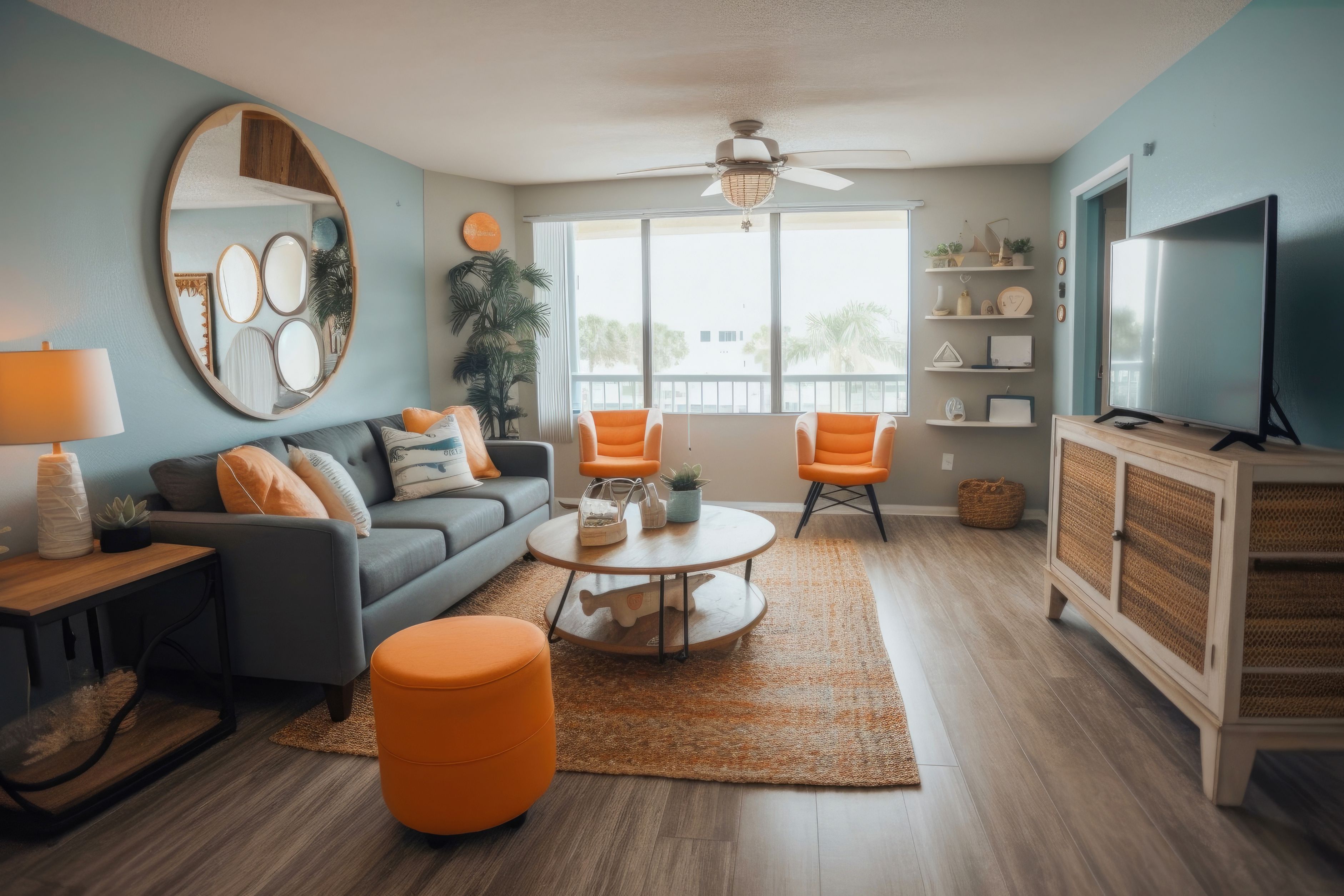
Staging is one of the highest-ROI decisions you can make when selling a flip. It helps buyers visualize how the space works and creates an emotional connection that empty homes often lack.
Instead of over-designing, focus on broad appeal. Clean, neutral, and modern always wins.
Key staging priorities include:
- Keeping furniture minimal to highlight space and flow
- Using neutral tones that appeal to the widest audience
- Focusing on the living room, kitchen, and primary bedroom
- Maximizing natural light and adding warmth where needed
Curb appeal matters just as much. The exterior sets the tone before buyers even step inside, so make sure it reflects the same level of quality as the interior.
Price to Create Momentum—Not Test the Market
Pricing is where many investors lose time and money. The goal isn’t to start high and adjust—it’s to create immediate interest.
Start with a strong comps analysis:
- Pull 8–10 recent comparable sales (last 90 days)
- Focus on similar size, condition, and location
- Use price per square foot as your baseline
From there, a smart strategy is to price at or slightly below comparable properties. This increases visibility in the first week and drives more showings—often leading to stronger offers through competition.
The first 7–14 days on market are your most valuable. The more activity you generate early, the better your outcome.
Marketing That Actually Drives Showings
Even the best renovation won’t perform without strong marketing. Today, your listing is experienced online first—so your digital presence has to stand out.
Professional photography is non-negotiable. It’s the difference between getting skipped and getting showings.
Make sure your listing includes:
- Wide-angle interior shots that show flow and space
- Twilight exterior photos to enhance curb appeal
- Detail shots of finishes and upgrades
If you want to go a step further, add a simple video walkthrough. It doesn’t need to be high production, just a clean, well-lit 2–3 minute walkthrough that helps buyers understand how the home flows.
Distribute Everywhere Your Buyers Are
Exposure drives demand, and demand drives price. Your property should be visible across all major platforms, not just one.
At a minimum:
- MLS (through your agent)
- Zillow, Redfin, Realtor.com
To expand reach:
- Instagram and Facebook (photo carousels + video)
- Local community platforms and groups
- Agent and buyer email networks
The goal is to meet buyers where they’re already searching—not rely on them to find you.
Use Open Houses and Early Outreach Strategically
The first few days on market are critical. This is when your listing is “fresh” and getting the most attention.
An open house during this window can create urgency and increase foot traffic. When done right, it signals confidence and generates momentum.
To maximize impact:
- Schedule within 3–5 days of listing
- Hold during peak weekend hours
- Keep the home bright, clean, and welcoming
- Use signage and simple marketing materials
At the same time, proactive outreach matters. Agents should be pushing the listing to their networks immediately, while investors selling on their own should leverage local groups and connections to drive interest early.
Pay Attention to the First 7–21 Days
The market will tell you quickly whether your property is positioned correctly. The key is knowing how to respond.
Watch for patterns:
- Strong activity → consistent showings and interest
- Moderate activity → traffic but no offers
- Low activity → limited visibility or mispricing
Before making any price cuts, evaluate the fundamentals:
- Are your photos competitive?
- Is your listing description compelling?
- Are buyers giving consistent feedback?
Sometimes small adjustments—like improving marketing or offering a closing cost credit—can be more effective than reducing the price.
Know When to Adjust Your Strategy
If you’re not seeing offers after a couple of weeks, it’s time to reassess—but not panic.
Your options may include:
- A small, strategic price adjustment
- Refreshing your listing with updated marketing
- Temporarily pulling and relisting to reset buyer perception
The key is to stay data-driven. Every adjustment should be intentional, not reactive.
Protect Yourself Through the Closing Process
As you move toward accepting an offer, organization and documentation become critical. A clean, well-documented project builds trust and reduces risk.
Make sure you have:
- Contractor invoices and receipts
- Permit records
- Warranties and inspection reports
- Before-and-after photos
You should also ensure all required disclosures are complete and accurate. When in doubt, having a professional review your documents is a small step that can prevent major issues later.
Set Realistic Timeline Expectations
Not every flip sells instantly—and understanding that helps you stay strategic.
- Strong markets may see offers within days
- Balanced markets typically move in 30–60 days
- Slower markets may take 60–90 days with adjustments
Having a clear timeline in mind prevents rushed decisions and unnecessary price reductions.
The Bottom Line for Investors
Selling a flip successfully comes down to execution.
- Preparation builds confidence
- Staging creates emotional connection
- Pricing drives demand
- Marketing captures attention
When these elements work together, your property doesn’t just sell, it performs.
Quick Exit Checklist
Before Listing
Walk the property like a buyer, complete all touch-ups, schedule a professional cleaning, finalize pricing, and organize your documentation.
Listing Week
Launch with strong photos and video, distribute across all major platforms, schedule your open house, and begin outreach immediately.
Week 2–3
Monitor showing activity and feedback. Make small, strategic adjustments if needed.
Week 3+
Evaluate performance and decide whether to adjust pricing, refresh your listing, or move forward with offers and closing.
Ready to scale your next flip?
Temple View Capital provides financing solutions designed to support investors from acquisition through exit, so you can execute every deal with confidence.
About Temple View Capital: We specialize in financing real estate investors who understand the importance of strategic execution, from acquisition through exit. Our fix-and-flip loans align with your project timeline and exit goals, giving you the capital flexibility to manage every phase professionally.